The Ultimate Guide to Car Wrap Installation: Process, Tools, and Career Opportunities
In the dynamic world of automotive customization, car wrapping has emerged as a transformative trend, moving beyond niche applications to become a mainstream choice for vehicle owners and businesses alike. This innovative technique offers unparalleled versatility, allowing for complete color changes, unique textured finishes, and effective mobile advertising. For individuals seeking a career path that blends technical skill with artistic expression, the car wrap industry presents a compelling and rapidly expanding opportunity.
This comprehensive guide will explore the intricate process of car wrap installation, detail the essential tools of the trade, and highlight the diverse job opportunities available within this thriving sector. Whether you are a budding enthusiast or a seasoned professional looking for a new challenge, understanding the nuances of car wrapping can unlock a rewarding future.
What is a Car Wrap?
A car wrap involves applying large sheets of specialized vinyl film to the exterior surfaces of a vehicle. These films are designed to conform to the car’s contours, offering a vast array of aesthetic possibilities, including various colors, finishes (such as matte, satin, gloss, chrome, or carbon fiber), and custom-printed graphics. A significant advantage of vinyl wraps over traditional paint is their removability, which protects the original paintwork underneath and facilitates easy updates to the vehicle’s appearance without permanent alteration.
The Car Wrap Installation Process: A Step-by-Step Breakdown
Achieving a flawless car wrap requires a meticulous approach, combining precision, patience, and a keen eye for detail. The process is far more involved than simply sticking vinyl onto a car; it encompasses several critical stages to ensure a professional, durable, and bubble-free finish.
1. Planning and Design
Every successful car wrap begins with thorough planning. For commercial applications, this phase involves close collaboration with a graphic designer to create a visual layout that effectively utilizes the vehicle’s dimensions as a mobile canvas. For personal customization, the vehicle owner selects the desired vinyl type, color, and finish. Installers also conduct a preliminary assessment of the vehicle’s condition, identifying any pre-existing damage like paint chips or dents that could compromise the wrap’s adhesion and final appearance.
2. Thorough Preparation
Preparation is arguably the most crucial stage, directly impacting the longevity and quality of the wrap. The vehicle must undergo an exhaustive cleaning process to eliminate all traces of dirt, grease, wax, and road grime. Even microscopic contaminants can lead to imperfections such as bubbles or lifting under the vinyl. Professional installers often employ specialized cleaning agents, degreasers, and clay bars to ensure the surface is impeccably smooth and free of any residues. To facilitate a seamless application, components such as door handles, mirrors, emblems, and sometimes even bumpers are carefully removed.
3. Measurement and Cutting
Once the vehicle is thoroughly prepared, the installer precisely measures each panel that will receive vinyl. The chosen vinyl film is then cut into manageable sections, with careful consideration given to leaving ample excess material around the edges. This extra material is vital for ensuring comprehensive coverage and allowing for the necessary stretching and tucking during application.
4. Application
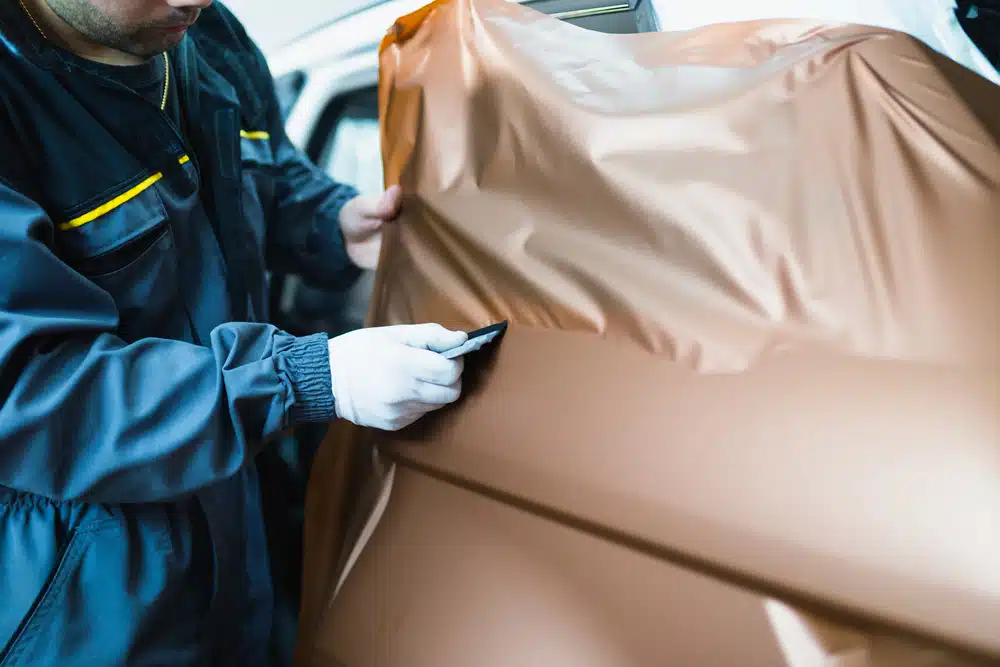
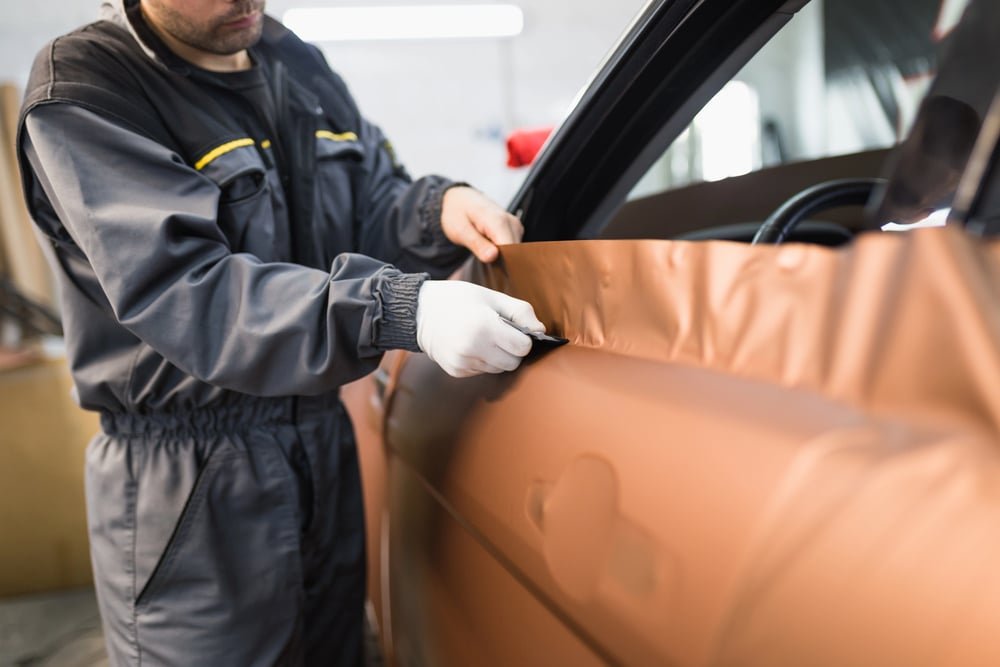
This stage is where the installer’s skill truly shines. The vinyl is carefully positioned over the designated panel. Using a specialized squeegee, the installer systematically presses the film onto the surface, working from the center outwards to eliminate air pockets and ensure firm adhesion. A heat gun is an indispensable tool here, used to gently warm the vinyl, making it more pliable and allowing it to conform smoothly to the vehicle’s complex curves, recesses, and contours. This delicate process requires a precise balance of heat and pressure to prevent overstretching, distortion, or tearing of the material.
5. Trimming and Finishing
Following the application to each panel, any excess vinyl material is meticulously trimmed away using a precision knife. The edges of the wrap are then carefully tucked into panel gaps, door jambs, and other seams to create a clean, factory-like finish that hides raw edges. The final critical step is a
thorough “post-heating” of the entire wrap. The installer uses a heat gun and an infrared thermometer to bring the vinyl to a specific temperature, which sets the material’s adhesive “memory.” This crucial step ensures the wrap remains securely in place and prevents it from lifting or pulling back from edges and complex curves over time.
Essential Tools for Car Wrap Installation
Professional car wrap installers rely on a specialized toolkit to achieve high-quality results. For those aspiring to a career in this field, mastering these tools is fundamental.
| Tool | Purpose |
| Heat Gun | Used to soften the vinyl, making it pliable for stretching and conforming to the vehicle’s contours. |
| Squeegees | Available in various hardness levels and materials, these are used to apply pressure and remove air bubbles. |
| Precision Knives | Essential for accurately trimming excess vinyl and making intricate cuts around vehicle features. |
| Infrared Thermometer | Crucial for monitoring the vinyl’s surface temperature during post-heating to ensure proper adhesion. |
| Cleaning Agents | Isopropyl alcohol and specialized surface preparation fluids are used to create a contaminant-free surface. |
| Magnets & Masking Tape | Used to temporarily hold large vinyl panels in place during initial positioning and measurement. |
| Lint-Free Gloves | Worn to prevent oils and contaminants from the installer’s hands from affecting the vinyl’s adhesive. |
Why Choose a Career in Car Wrapping?
The automotive wrap industry is a significant and rapidly growing global market. The U.S. automotive wrap films market alone was valued at $1.496 billion in 2024 and is projected to grow at a compound annual growth rate (CAGR) of 18.8% from 2025 to 2030 . This growth translates into a high demand for skilled professionals and presents numerous compelling reasons to consider a career in this field:
•High Demand: With the market’s continuous expansion, skilled installers are in constant demand from customization shops, commercial fleet managers, and individual car enthusiasts.
•Creative Expression: Car wrapping is a unique craft that allows for artistic expression. Installers transform vehicles into mobile works of art, bringing creative visions to life.
•Tangible Results: There is immense satisfaction in witnessing the dramatic transformation of a vehicle and the client’s positive reaction to the finished product.
•Entrepreneurial Opportunities: Many experienced installers leverage their expertise to establish their own successful wrap shops, offering the independence and rewards of business ownership.
Job Roles in the Car Wrap Industry
The car wrap ecosystem encompasses a variety of specialized roles beyond the installer. A professional wrap shop often includes a team of experts working in concert to deliver a final product.
1. Vehicle Wrap Installer
This is the core role, responsible for the hands-on application of the vinyl. The position demands exceptional hand-eye coordination, patience, problem-solving skills, and the physical stamina to work on one’s feet for extended periods. Car wrap installation workers may specialize in high-value projects like full-body chrome wraps or complex, multi-layered graphic installations.
2. Graphic Designer
A graphic designer is indispensable for commercial and custom-designed wraps. This role requires a deep understanding of vehicle anatomy and the ability to translate two-dimensional designs onto three-dimensional surfaces. Using specialized software and vehicle templates, they ensure that branding, logos, and artistic elements are positioned effectively and without distortion.
3. Production Manager
In larger operations, a production manager orchestrates the entire workflow. They are the central point of contact, coordinating schedules between the design team, installers, and clients to ensure projects are completed efficiently and meet the highest quality standards. Their responsibilities also include managing material inventory and overseeing equipment maintenance.
4. Sales and Estimator
This client-facing role involves consulting with customers, understanding their vision, and providing accurate project quotes. A successful estimator must possess a thorough knowledge of the installation process, material costs, and labor requirements to ensure profitability while delivering value to the client.
5. Pre-Press Technician / Print Operator
For printed wraps, this technician prepares the digital design files for large-format printing. They are responsible for color management, ensuring the printed output matches the design intent, and operating the printing and lamination equipment. Lamination adds a crucial protective layer to the printed vinyl, guarding it against UV rays and abrasion.
How to Get Started: Training and Certification
While some installers are self-taught, the most reliable path to a successful career is through structured, professional training and certification. Leading vinyl manufacturers like 3M and Avery Dennison offer comprehensive training programs that are widely recognized as the industry standard.
These multi-day courses cover everything from fundamental application techniques to advanced installation strategies and business practices . Earning a certification from a major brand not only validates an installer’s skills but also significantly enhances their credibility and employability. It signals a commitment to quality and a mastery of industry-approved best practices.
In addition to formal training, building a strong portfolio is essential. Aspiring installers can start by wrapping their own vehicles or taking on smaller projects for friends and family. Documenting this work with high-quality photographs and videos is crucial for showcasing one’s skills to potential employers or future clients.
The Future of Car Wrapping
The car wrap industry is poised for continued innovation. Advances in material science are leading to the development of new products, such as self-healing films that can repair minor scratches with the application of heat, and vinyl with even more dynamic and visually complex finishes. The ongoing shift towards electric vehicles also presents new opportunities, as their owners often seek modern, customized aesthetics to match their cutting-edge technology.
In conclusion, car wrap installation offers a career path that is both creatively fulfilling and financially rewarding. It is a craft that marries technical precision with artistic vision. By mastering the installation process, investing in the right tools and training, and staying attuned to industry advancements, individuals can build a successful and lasting career in this exciting and ever-evolving field.